9mm vs .380 ACP Ammo What Is The Difference And What Is Right For You?
Posted by Tom Hennie on Oct 21st 2026
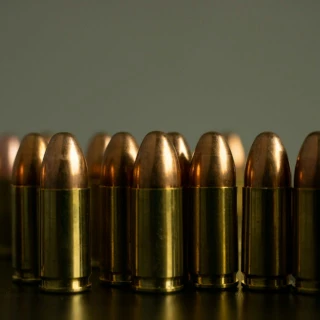
The 9mm Luger and .380 ACP are two popular handgun cartridges that share a similar bullet diameter but differ in size, pressure, ballistic performance, and the firearms designed to use them. At Sportsman Fulfillment both .380 ACP ammo and 9mm ammo are some of our best sellers every month, and even me personally own and shoot both types of pistols. While 9mm generally delivers higher velocity and energy, .380 ACP remains popular for its compatibility with exceptionally compact handguns.
Understanding the differences between 9mm and .380 ACP goes beyond comparing power alone. Ammunition cost, availability, recoil, firearm dimensions, and the intended application can all influence which cartridge makes the most sense for an individual shooter.
In this guide, we'll compare 9mm and .380 ACP across their specifications, ballistics, recoil, ammunition options, and practical tradeoffs. Whether you're researching handgun cartridges, comparing ammunition costs, or trying to understand what separates these two rounds, you'll find the information you need to make an informed decision.
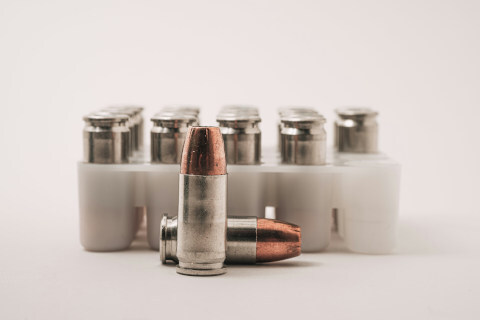
9mm vs. .380 ACP at a Glance
I'd place this table immediately after the introduction. It gives readers a quick overview before we explore each difference in detail.
The specifications below are a starting point; we'll verify the technical details against authoritative references before finalizing the published article.
Specifications and typical characteristics are general comparisons, not guarantees for every load or firearm. Bullet weights, velocity, recoil, and ammunition prices vary by manufacturer, load, barrel length, and firearm design.
The short version: 9mm generally offers greater ballistic performance, a wider selection of ammunition, and favorable ammunition costs. .380 ACP allows manufacturers to build particularly compact handguns and can be an appealing option when minimizing firearm size is a priority. The better fit depends on the specific firearm, ammunition, and characteristics the shooter values most.
What Is 9mm Luger?
The 9mm Luger is a centerfire handgun cartridge widely used in pistols around the world. Known for its versatility, broad ammunition selection, and balance of performance and shootability, it has become one of the most common handgun calibers for recreational shooting, competition, law enforcement, and personal defense. In fact, according to the National Shooting Sports Foundation (NSSF), roughly 17.7 billion rounds of ammunition was sold last fiscal year with 46& of that being pistol ammo.
Its popularity comes from more than ballistic performance alone. Manufacturers produce 9mm handguns in a wide range of sizes, from full-size pistols designed for range use to compact models intended for easier everyday carry. Shooters can also choose from a broad selection of ammunition designed for different purposes, including target practice and defensive use.
9mm Luger, 9x19mm, and 9mm Parabellum: What's the Difference?
9mm Luger, 9x19mm, and 9mm Parabellum are three names for the same basic cartridge. The names are often used interchangeably in firearm specifications, ammunition listings, and shooting literature.
The cartridge was developed by Austrian firearms designer Georg Luger in the early 1900s, building on earlier work associated with the Luger pistol. The name Parabellum comes from the German arms manufacturer Deutsche Waffen- und Munitionsfabriken and its historical motto, Si vis pacem, para bellum, commonly translated as “If you want peace, prepare for war.”
When shopping for ammunition, you will most often see it listed as 9mm Luger or simply 9mm. Always check the firearm manufacturer's markings and owner's manual to confirm the exact cartridge your firearm is designed to use rather than relying on a caliber name alone.
A Brief History of 9mm Luger
Introduced in 1902, the 9mm Luger was developed for use in the Luger semi-automatic pistol. Its adoption by the German military helped establish it as an important military handgun cartridge, and its use later expanded across military, law-enforcement, and civilian markets.
Over time, improvements in handgun design and ammunition manufacturing helped maintain its relevance. Its adoption by many firearm manufacturers and organizations also contributed to a large ecosystem of compatible firearms, ammunition types, accessories, and shooting resources.
Today, 9mm Luger is a standard option across much of the handgun market. Its continued popularity reflects its adaptability: the same cartridge family can serve recreational shooters, competitive shooters, and people looking for a handgun suited to defensive use, provided they choose an appropriate firearm and ammunition for their needs.
What Is .380 ACP?
The .380 ACP is a centerfire handgun cartridge best known for its use in compact and subcompact semi-automatic pistols. It offers a smaller cartridge format than 9mm Luger, allowing firearm manufacturers to design handguns that can be especially compact and lightweight.
Although .380 ACP generally produces less ballistic energy than 9mm Luger, it continues to have a place in the handgun market because firearm size and handling matter to many shooters. Advances in ammunition design have also given consumers more choices than were available in earlier generations of the cartridge.
.380 ACP, .380 Auto, and 9mm Browning Short: What's the Difference?
.380 ACP and .380 Auto are two common names for the same cartridge. ACP stands for Automatic Colt Pistol, a designation used for several cartridges developed for semi-automatic handguns.
You may also encounter names such as 9mm Browning Short, 9mm Kurz, or 9mm Corto in international firearm references. These names refer to the .380 ACP cartridge in different language or market contexts. Despite the “9mm” in some of these names, .380 ACP is not interchangeable with 9mm Luger.
Because the naming can be confusing, check the cartridge designation printed on the firearm and consult its owner's manual before purchasing ammunition. Similar names or bullet diameters do not mean two cartridges are safe to use in the same firearm.
A Brief History of .380 ACP
Introduced by John Moses Browning in 1908, .380 ACP was designed for compact semi-automatic pistols. Its relatively small format helped make it suitable for handguns intended to be easier to carry and handle than many larger service pistols.
The cartridge has remained in use through changing firearm trends. While some shooters favor today's compact 9mm pistols, .380 ACP still offers manufacturers a way to build particularly small handguns without moving to a rimfire cartridge.
Why .380 ACP Remains Popular
The main appeal of .380 ACP is its pairing with compact firearm designs. For people who prioritize a small, lightweight handgun, it provides another option to consider alongside compact 9mm models.
However, the cartridge alone doesn't determine how a handgun feels to shoot. A small, lightweight .380 pistol can produce noticeable recoil, and a shooter's comfort depends on factors such as grip dimensions, firearm weight, and fit. Comparing actual firearms, not just the cartridges, is an important part of understanding the tradeoffs between .380 ACP and 9mm Luger.
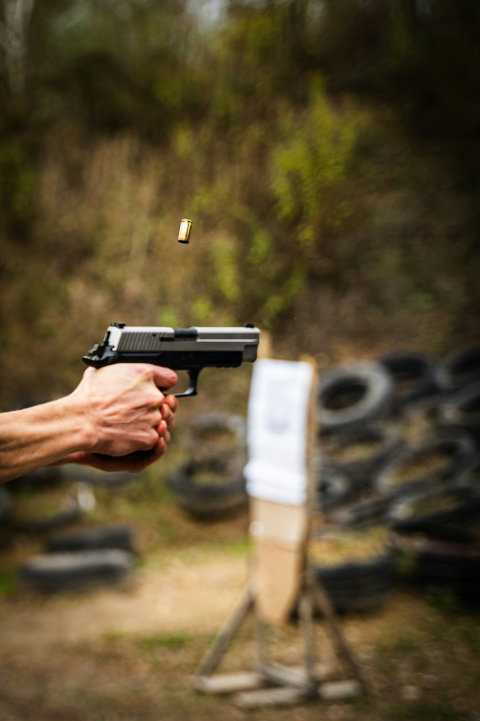
Are 9mm and .380 ACP the Same Size?
No. Although 9mm Luger and .380 ACP use bullets with the same nominal diameter, their cases and overall cartridge dimensions differ. These differences affect how each cartridge fits and functions in a firearm.
Bullet Diameter
Both cartridges use bullets with a nominal diameter of approximately .355 inches. However, sharing a bullet diameter does not make the cartridges interchangeable. The case dimensions, cartridge length, and operating specifications are different.
Case Length and Overall Cartridge Dimensions
These standard dimensions illustrate why the cartridges are designed for different chambers and firearm platforms. Actual ammunition should always match the cartridge designation specified by the firearm manufacturer.
9mm vs .380 ACP Ballistics
The main ballistic difference between 9mm Luger and .380 ACP is that 9mm generally launches comparable bullet types at higher velocities, producing greater muzzle energy. The size of that difference depends on the specific ammunition and the firearm used to fire it.
Bullet Weight, Velocity, and Muzzle Energy
Bullet weight is measured in grains, velocity in feet per second (fps), and muzzle energy in foot-pounds (ft-lbs). Together, these measurements help describe a cartridge's performance, but don’t tell the whole story on its own.
- Bullet weight: Both cartridges are available in different bullet weights. The right comparison considers the complete load rather than weight alone.
- Velocity: 9mm generally achieves higher velocities with comparable bullet designs, though results vary by load and barrel length.
- Muzzle energy: Because energy depends on both bullet weight and velocity, 9mm typically produces more muzzle energy than .380 ACP.
These figures are useful for comparing ammunition, but muzzle energy alone cannot predict how a particular load will perform in every real-world situation.
How Barrel Length Affects Performance
Ammunition velocity is influenced by barrel length, so published figures may differ between manufacturers and testing conditions. A load tested in a longer barrel may produce a different result from the same load fired through a short-barreled compact pistol.
When comparing ammunition, look for the manufacturer's stated bullet weight, velocity, and test-barrel information. Treat published figures as reference points rather than guaranteed results from every handgun.
Comparing Representative Loads
The table below is intended to show the kinds of specifications worth comparing. Exact figures should be taken from current manufacturer data for the specific loads being considered.
The Sportsman Fulfillment takeaway: 9mm generally has the ballistic advantage, but the size of that advantage depends on the ammunition and firearm. Comparing specific loads under similar testing conditions provides a more useful picture than relying on caliber labels alone.
9mm vs .380 ACP Recoil
9mm generally produces more recoil than .380 ACP in comparable firearms, but the difference isn't always as noticeable as shooters expect. The handgun's weight, grip design, and overall dimensions all influence how recoil feels.
Why Some 9mm Pistols Feel Easier to Shoot
A larger 9mm handgun may offer a fuller grip, more weight, and better control during repeated shots. These characteristics can make it feel more manageable than a tiny .380 pistol, despite the 9mm cartridge generally producing more recoil.
For that reason, the firearm matters as much as the cartridge when evaluating comfort. If possible, compare the specific handguns you're considering at a range, paying attention to grip fit, recoil, and how easily you can return the sights to the target. Also, many 9mm pistols are optics ready which means you can easily add a red dot sight to make your initial aim and follow up shots even easier.
9mm vs .380 ACP Firearm Size
One of the biggest practical differences between these cartridges is the size of the handguns designed around them. .380 ACP is commonly found in exceptionally compact pistols, while 9mm offers a broad selection ranging from small carry models to full-size handguns.
Why .380 ACP Is Popular in Small Handguns
Because .380 ACP pistols can be designed around a smaller cartridge, manufacturers have more flexibility when building very compact firearms. This makes the caliber an option for shooters who prioritize a small footprint and lightweight construction.
The tradeoff is that a smaller handgun may provide less grip surface and can be harder for some people to handle comfortably. The smallest option isn't automatically the most practical one. In my opinion, while .380 pistols are smaller, it may not directly translate to less recoil, but I find them easier for teaching beginners, or people with smaller hands, how to shoot since they are generally easier to hold than a full sized 9mm pistol.
How Compact 9mm Pistols Compare
Modern compact and micro-compact 9mm pistols offer an alternative for shooters who want a smaller firearm without choosing .380 ACP. Depending on the model, they can deliver a compact profile while retaining the broader ammunition selection associated with 9mm.
However, compact 9mm pistols vary considerably in dimensions, weight, grip shape, and capacity. Compare the specifications of individual models rather than assuming every 9mm handgun is larger than every .380 ACP handgun.
Does a Smaller Handgun Mean a Better Fit?
Not necessarily. Consider how the firearm fits your hand, whether you can operate its controls comfortably, and how well you can use it consistently. If possible, handle or rent specific models before making a decision. I personally do not find a small or compact handgun very comfortable in my hand, and that goes for both 9mm pistols and .380 ACP handguns.
9mm vs .380 ACP Magazine Capacity
Gun magazine capacity depends on the specific handgun's design, dimensions, and magazine, not just the cartridge. However, 9mm pistols often offer higher capacities than similarly sized .380 ACP models.
Because .380 ACP pistols are frequently designed to be exceptionally compact, their shorter grips and smaller magazines can limit how many rounds they hold. Larger .380 pistols may offer more capacity, while some micro-compact 9mm handguns provide relatively high capacity for their size.
When comparing firearms, check the manufacturer's published capacity for the exact model and magazine configuration. Also consider grip comfort and overall dimensions; a higher-capacity magazine may make a handgun larger or change how it fits your hand.
9mm vs. .380 ACP Ammunition Selection and Availability
Both cartridges have ammunition options for target shooting and personal defense, but 9mm generally offers a broader selection across brands, bullet designs, and price points.
9mm Ammunition Selection
9mm is widely produced by major ammunition manufacturers, giving shooters plenty of options for practice, competition, and defensive applications. Its extensive market also makes it easier to compare different loads and find ammunition that fits a particular budget or purpose.
.380 ACP Ammunition Selection
.380 ACP has a solid selection of practice and defensive ammunition, although the range of products is generally narrower than 9mm. Shooters can still compare different manufacturers and bullet designs, but may have fewer choices within a specific price range or load category.
Availability and Buying Considerations
Both calibers are commonly sold by ammunition retailers. However, availability can vary by manufacturer, specific load, and market conditions. A particular
.380 ACP load may be harder to find than a comparable 9mm option, even when both cartridges are widely available overall.
When choosing ammunition, consider its intended use, the firearm manufacturer's recommendations, and the specific load's published specifications. For regular range practice, consistent availability and cost may be especially important; for other applications, the suitability of the individual load deserves closer attention.
Is 9mm or .380 ACP Cheaper?
9mm ammunition is generally less expensive per round than .380 ACP, particularly for common full metal jacket (FMJ) ammunition used for range practice. The difference can add up for shooters who buy ammunition regularly.
Comparing Ammunition Prices
The following example compares 50-round boxes of CCI Blazer Brass FMJ ammunition listed for Sportsman Fulfillment. Prices are a snapshot and may change.
In this example, the .380 ACP ammunition costs about 7 cents more per round. Across 500 rounds, that difference would amount to approximately $35 before shipping and taxes.
What Affects the Cost?
Prices vary by manufacturer, bullet design, quantity, and market conditions. Practice ammunition is generally less expensive than specialized defensive loads, so comparisons are most useful when you're looking at similar ammunition types.
If you plan to shoot frequently, compare the cost per round and consider how readily you can find the specific load you want. Even a modest price difference can become significant over time.
Why Choose 9mm?
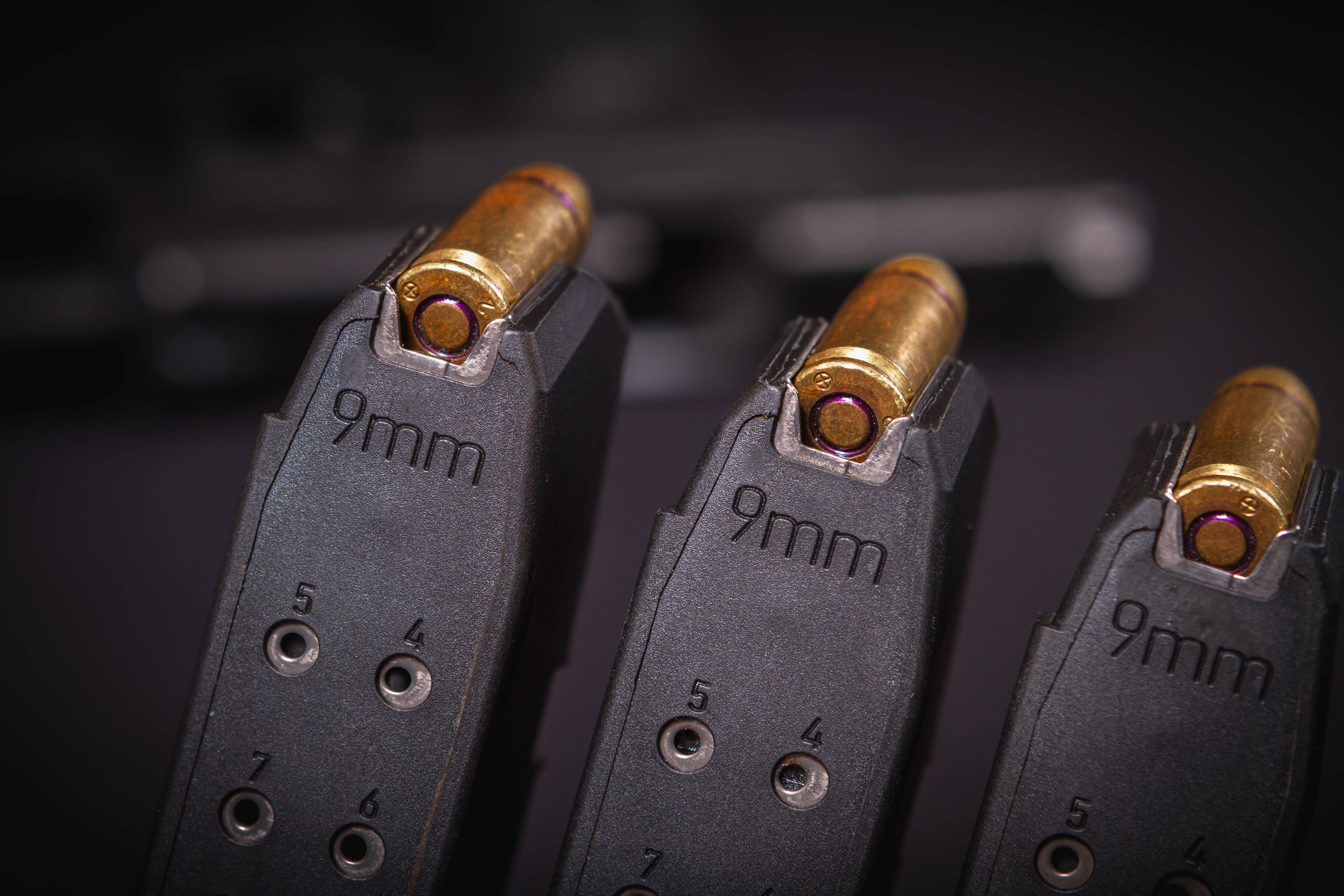
9mm Luger may be a good fit for shooters who want a versatile handgun cartridge with broad ammunition choices and plenty of firearm options.
- A wide range of handguns: From full-size pistols to compact and micro-compact models, 9mm is available in firearms suited to different preferences and applications.
- Lower typical practice-ammunition costs: 9mm FMJ ammunition is generally less expensive per round than comparable .380 ACP ammunition, which can matter for frequent range sessions.
- Broad ammunition selection: Its popularity gives shooters many options across manufacturers, bullet designs, and intended uses.
- Versatility: 9mm is used for recreational shooting, competition, and defensive applications, depending on the firearm, ammunition, and user's needs.
For someone who values ammunition choice, ongoing practice, and flexibility in firearm selection, 9mm is a strong option to consider. For us at Sportsman Fulfillment, we can give you enough reasons to pick 9mm until we are blue in the face! Every month it is one of our top sellers, you really can’t go wrong with this ammo.
Why Choose .380 ACP?
.380 ACP may be a good fit for shooters who prioritize a very compact handgun and prefer the specific size or handling characteristics of a .380 pistol.
- Very compact firearm options: .380 ACP is commonly chambered in small, lightweight pistols designed for a minimal footprint.
- Potentially less recoil: Compared with similar firearms chambered in 9mm, .380 ACP often produces less recoil, though the weight and grip of a particular pistol can affect comfort significantly.
- A practical range option: .380 ACP practice ammunition is available for shooters who want to train with their chosen firearm, although it may cost more per round than comparable 9mm ammunition.
- A dedicated compact-handgun platform: Shooters who find a particular .380 pistol more comfortable to hold and operate may prefer it over a similarly sized 9mm model.
The main appeal is the combination of cartridge and firearm design. Whether .380 ACP is the better fit depends on the specific handgun, how comfortably you can operate it, and what tradeoffs you're willing to make. It is really fun to shoot .380 ACP pistols at the range, they make an excellent concealed carry gun, and at Sportsman Fulfillment people are constantly asking us if they are worth it. Well, in my opinion if it is comfortable for you to hold, then it’s more than worth it!
9mm vs. .380 ACP: Which Is Right for You?
The right choice depends on which characteristics matter most to you. Use the comparison below to weigh the practical differences between the two cartridges.
Neither cartridge is automatically the better choice for every shooter. Compare specific handguns, consider ammunition availability and ongoing costs, and prioritize a firearm you can handle comfortably and operate consistently. For either caliber, select ammunition appropriate for your firearm and intended use.
9mm Luger: Pros and Cons
.380 ACP: Pros and Cons
Frequently Asked Questions: 9mm vs. .380 ACP
Is .380 ACP the same as 9mm?
No. Although both cartridges use bullets with a nominal diameter of approximately .355 inches, 9mm Luger and .380 ACP have different case dimensions, overall lengths, and operating specifications. They are separate cartridges designed for different chambers.
Is 9mm more powerful than .380 ACP?
Generally, yes. 9mm Luger typically produces higher velocity and muzzle energy than .380 ACP. However, performance varies by ammunition load and firearm, and muzzle energy alone does not determine a cartridge's overall effectiveness.
Does .380 ACP have less recoil than 9mm?
Generally, .380 ACP produces less recoil in comparable firearms. However, a very small, lightweight .380 pistol can feel surprisingly sharp to shoot. Firearm weight, grip design, and fit all influence perceived recoil.
Is .380 ACP cheaper than 9mm?
Usually not. Comparable .380 ACP practice ammunition often costs more per round than 9mm FMJ ammunition. Prices vary by brand, load, quantity, and retailer, so compare current prices per round before buying.
Can you shoot .380 ACP in a 9mm handgun?
No. A firearm chambered for 9mm Luger is not designed to fire .380 ACP. Never attempt to load or fire ammunition that does not match the cartridge designation specified by the firearm manufacturer.
Can you shoot 9mm in a .380 ACP handgun?
No. 9mm Luger is not interchangeable with .380 ACP. Using the wrong cartridge can cause a failure to fire, firearm damage, or serious injury. Always verify the firearm's caliber marking and owner's manual before loading ammunition.
Which has more stopping power, 9mm or .380 ACP?
9mm generally offers greater ballistic performance, but “stopping power” cannot be determined by caliber or muzzle energy alone. Bullet design, penetration, expansion, shot placement, and other factors influence performance. Comparisons should be based on specific loads rather than broad caliber claims.
Is .380 ACP good for target shooting?
Yes. .380 ACP can be used for recreational target shooting with a compatible firearm and suitable ammunition. Ammunition cost and the handling characteristics of the particular pistol may influence how appealing it is for frequent practice.
Is 9mm better for target shooting?
For many shooters, 9mm is a practical target-shooting choice because ammunition is widely available, practice loads are plentiful, and the cost per round is often relatively low. The best option still depends on the firearm, budget, and personal preference.
Why is .380 ACP still popular?
.380 ACP remains popular because it is commonly chambered in very compact, lightweight handguns. Some shooters prefer the size and handling of these pistols, even when a compact 9mm alternative is available.
Conclusion: 9mm vs. .380 ACP
9mm Luger and .380 ACP share a similar bullet diameter, but they offer different advantages. 9mm generally provides greater ballistic performance, a broader ammunition selection, and lower practice-ammunition costs. .380 ACP remains a popular option for shooters who prioritize the compact size and lightweight design of many .380 pistols.
Neither cartridge is the right choice for everyone. The best fit depends on the specific handgun, your comfort with its size and recoil, ammunition costs, and intended use. Understanding these differences can help you compare your options and choose the combination of firearm and ammunition that best meets your needs.
For more ammunition comparisons and buying advice, explore the Sportsman Fulfillment Ammo Buying Guide and our other handgun caliber guides. If you have any questions please feel free to reach out, and if you found this useful please share on your social media.


