Ammo Buying Guide: A Complete Guide To Ammo Types & What You Should Buy For Your Firearm
Posted by Tom Hennie on Sep 9th 2026
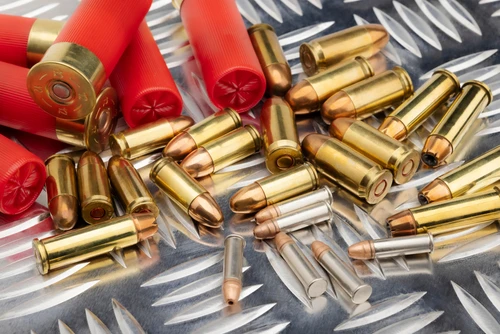
When you walk into any gun store, or even looking while buying ammo for sale online, it can be overwhelming the number of choices. Our goal is to walk you through the different types of ammo choices, the best options for your shooting goals, and even provide some technical breakdowns so you know what you want before you even get to the store.
How Ammunition Works
Before we break down the different types of ammunition, and compare their effectiveness, we should explain what ammunition is, and how it works. There are several pieces that work together for effective ammunition. The main components of the ammo are:
- Primer
- Flash Hole
- Cartridge Case (Brass)
- Powder or Propellant
- Projectile or Bullet
In modern ammunition a cartridge or “round” holds all the pieces together. The firing pin of the gun strikes the primer which ignites a small spark. This spark burns the gunpowder which in return creates an expanding gas which is what launches the bullet from the casing and down the barrel, this is what actually fires from the gun while the casing is typically ejected to the side of the firearm.
Types of Ammo
When it comes to breaking down ammo, there are three main types, and it goes by classification of firearm: pistol, rifle, and shotgun. Each type of these firearms are unique in a few different ways, but specifically the type of ammo they use. Pistol ammo is generally smaller, for closer range shooting, while rifle ammo is used for much longer distances, and taking down larger targets when hunting, all completely different from shotgun ammo like bird shot or buck shot designed to spray a grouping of bbs to more effectively hit a target like birds flying through the air. Each designed for their specific purpose, bringing advantages and disadvantages to shooting situations.
Pistol Ammo
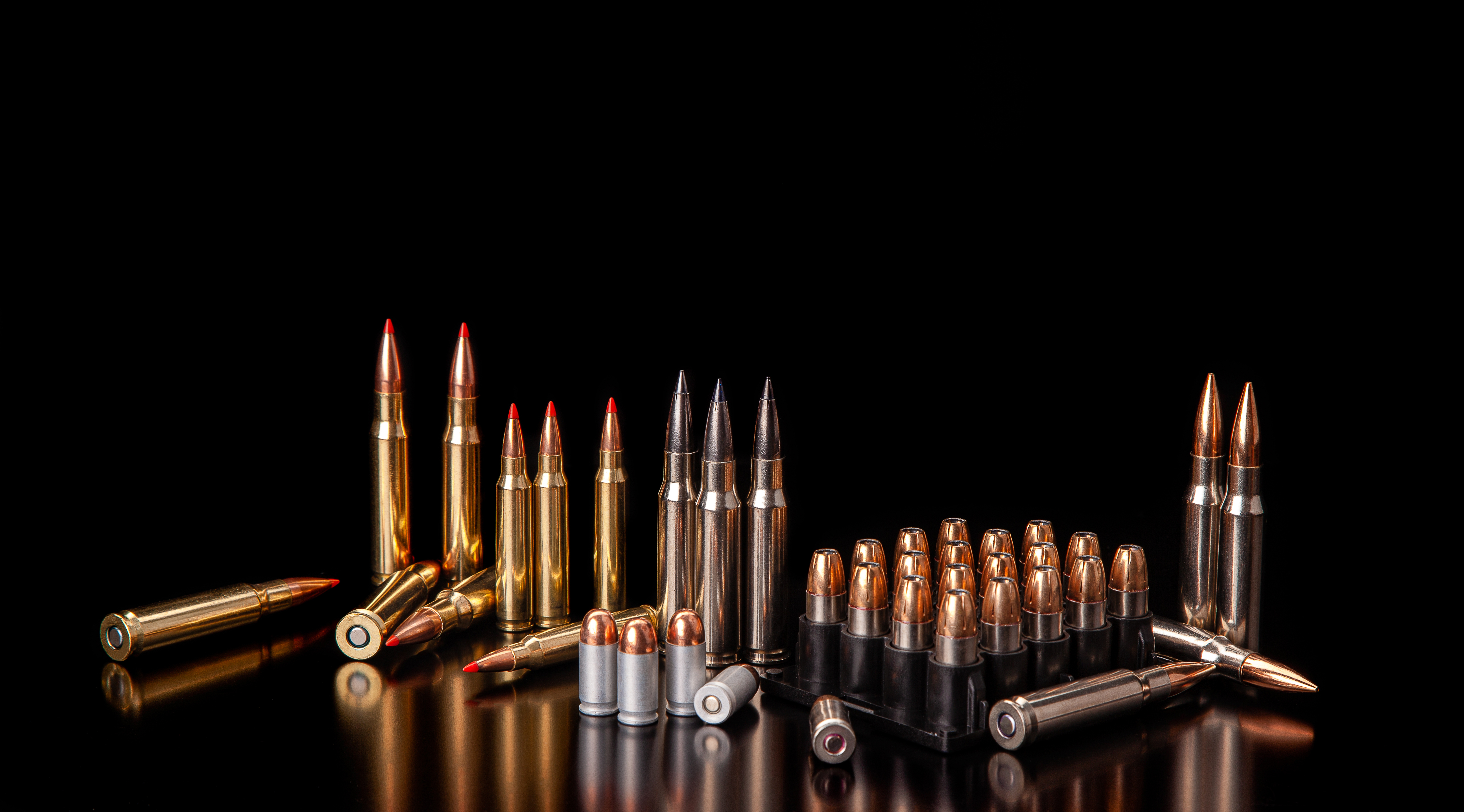
Nowadays modern pistol ammo is cartridge ammunition. A common misconception is that the ammo all together is the bullet, while the bullet is actually just the projectile that is launched down the barrel, and the rest of the components listed above make up the rest of the ammunition. Pistol ammo most commonly comes in 9mm, 45 ACP, .380 and 10mm options. Growing in popularity are AR style pistols chambered in 5.56 ammo, but that is still more commonly used as rifle ammo, and .22 LR pistols.
There are several types of pistol ammo, most commonly used are:
- Full Metal Jacket FMJ
- Jacketed Hollow Point JHP
- Soft Point
- Wadcutters
- +P & +P+
- Subsonic & Supersonic
Full metal jacket or FMJ rounds have a lead core surrounded by a copper or copper-alloy jacket, and are typically used for target practice, range days, training, and recreational shooting. FMJ is commonly referred to as “ball” ammo in the military, and is not actually fully metal, it has a lead core or “ball” that is encased in copper to feed reliably in semi auto pistols. Hollow points, or JHP, is very similar to FMJ, but it has a hollow cavity in the front of the bullet that expands upon impact to reduce penetration. Hollow point pistol ammo is used as defensive ammunition, by law-enforcement, and shooting situations whenever you want to reduce unintended penetration. While on the other hand Soft Point ammo or (SP) is a projectile or bullet that leaves some of the lead exposed at the tip of the bullet. This is mostly used for hunting. Wadcutters have a flat tip on them and are designed for target shooting because they produce clean and easily visible holes in paper targets. There is also +P and +P+ ammo that means that for +P the cartridge is loaded to a pressure level above the standard specification for that cartridge, and that +P+ is an informational designation and doesn’t have the same standard meaning across the industry. These labels typically result in more recoil, muzzle blast, firearms wear, and muzzle velocity. Finally, subsonic and supersonic ammo are pretty easy to explain. Subsonic pistol ammo is designed to remain below the speed of sound, often combined with suppressors for extra quiet shooting. While supersonic ammo travels faster than the speed of sound, which most pistol ammo falls into this category.
Choosing The Right Pistol Ammo For You
| Caliber | Common Grain Weight | Best Known For | Popular Ammo Types | Popular Brands | Typical Price | Why Shooters Choose It |
|---|---|---|---|---|---|---|
| 9mm Luger | 115–147 gr | Range shooting & general-purpose use | FMJ, JHP | Federal, Winchester, Remington, Hornady | $–$$ | One of the most widely available pistol cartridges, with an enormous selection of loads and price points. |
| .380 ACP | 85–100 gr | Compact pistols & concealed carry | FMJ, JHP | Federal, Winchester, Remington, Hornady | $$ | A longstanding pistol cartridge commonly associated with smaller, compact handguns. |
| .40 S&W | 155–180 gr | Range shooting & service pistols | FMJ, JHP | Federal, Winchester, Remington, Speer | $$–$$$ | An established centerfire pistol cartridge with a large installed base of firearms and ammunition choices. |
| .45 ACP | 185–230 gr | Range shooting & classic pistols | FMJ, JHP | Federal, Winchester, Remington, Hornady | $$–$$$ | A historically significant American pistol cartridge with extensive ammunition availability. |
| 10mm Auto | 155–220 gr | Powerful semi-automatic pistols & hunting applications | FMJ, JHP, hard-cast | Federal, Winchester, Remington, Hornady | $$$ | Known for higher-performance loads and a wide range of ammunition designed for different applications. |
| .38 Special | 110–158 gr | Revolvers & recreational shooting | FMJ, JHP, lead | Federal, Winchester, Remington, Hornady | $$–$$$ | A classic revolver cartridge with a long history and broad selection of factory ammunition. |
| .357 Magnum | 125–180 gr | Revolvers, hunting & outdoor applications | JHP, JSP, soft point | Federal, Winchester, Remington, Hornady | $$$ | A versatile magnum revolver cartridge with a wide variety of factory loads. |
- Match the caliber exactly: Always verify the caliber marking on your firearm and purchase ammunition specifically designated for that firearm.
- Choose the right bullet type: FMJ ammunition is commonly selected for recreational range shooting, while other bullet designs are manufactured for specific applications.
- Consider grain weight: Different bullet weights can produce different recoil, velocity, and shooting characteristics.
- Buy based on your application: Range practice, competition, hunting, and other shooting activities can call for different ammunition characteristics.
- Buy consistently: Once you find a factory load that performs reliably in your particular firearm, consistency can make ammunition selection easier for future purchases.
Rifle Ammo
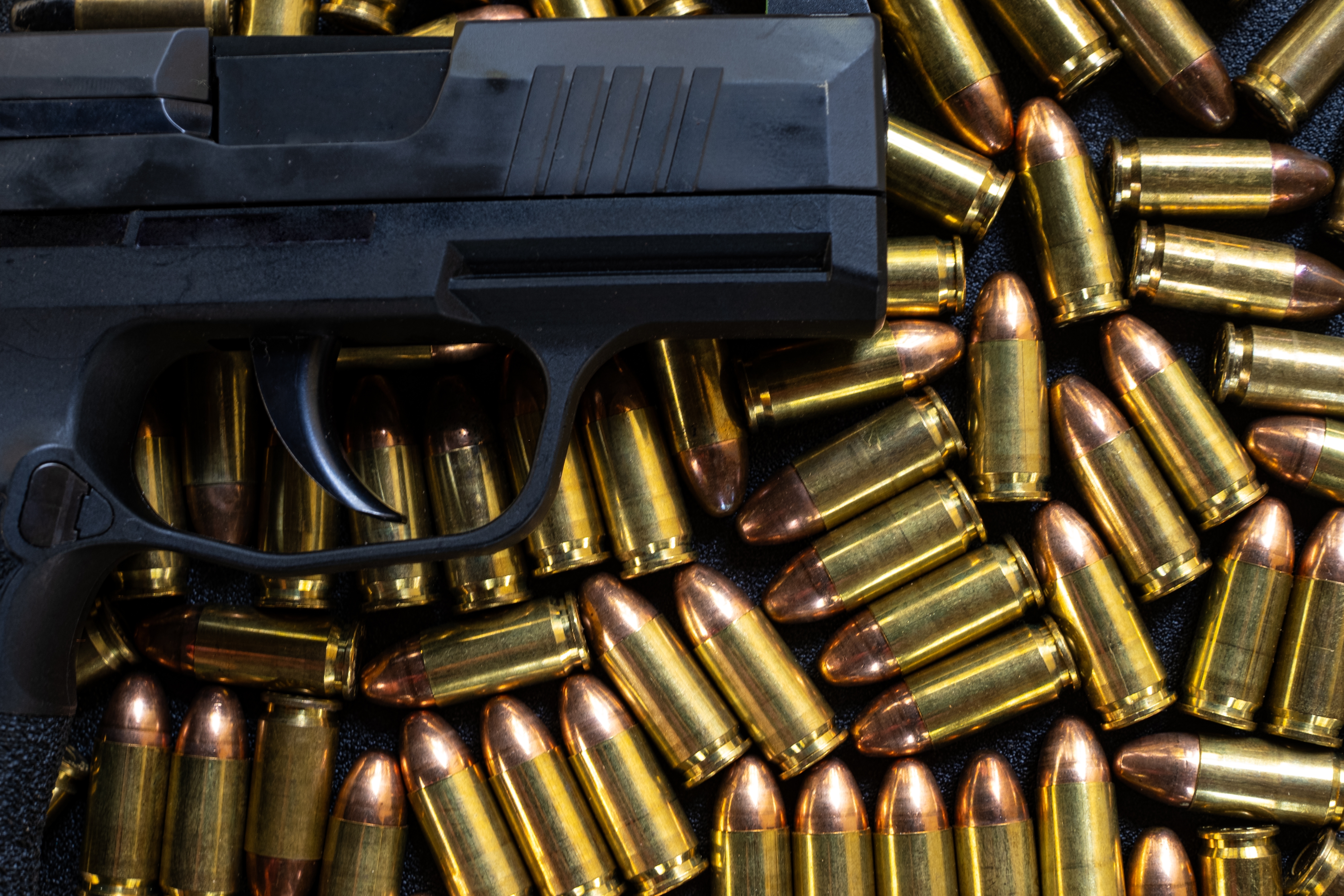
Modern rifle ammo is actually, pretty similar to pistol ammo in its parts and how it is assembled with the casing and projectile. Rifle ammunition has played a huge role in hunting, military history, sport and competitive shooting for many decades. The modern rifle ammunition or “cartridge” was invented in London around 1845.
From the military application of 5.56 NATO to the incredibly common and affordable .22 LR plinking ammo all the way up to the big and bad iconic 50 caliber rifle rounds, there are tons of different kinds of rifle ammo calibers for all sorts of shooting applications. The most common uses for rifles are:
- Hunting
- Target Shooting
- Military / Law Enforcement Use
- Ranch or Farm Shooting
- Recreational Shooting
In the hunting community, rifles are very commonly used to take down big game like elk, and moose, medium game like white tail deer, and even small game such as rabbit, squirrel, or even pest prevention such as coyotes. When hunting big game, the most common calibers are .308 Winchester, or .30-60 Springfield ammo because these have high energy, and the strong penetration needed to take down big game. For smaller game mentioned above, the lighter, smaller rounds of .22 LF and .17 HMR are perfect since the bullet itself isn’t big enough to completely ruin the animal. Additionally, these rounds have low recoil and are very easy to control for ultra accurate shooting.
When you go target shooting you can use essentially any caliber you please as long as your facility allows it, which makes target shooting fun and badass. For long range shooting you will probably use something like a 6.5 Creedmoor since its 6.5mm bullet can maintain velocity reducing the effects of gravity and wind making them awesome for long distances. There is also, and probably most commonly, 5.56 NATO, .223, and .22 LR. These are probably the three most common calibers of rifle ammo. These have almost endless options of rifle platforms to choose from, almost all ranges will allow you to shoot them, and they are widely available for sale most ammo stores, especially if you look at our rifle ammo for sale section we are sure to have something you need. All these factors make those calibers the best and most reliable when it comes to target shooting with rifles. Not to mention they are usually pretty affordable, especially .22 LR.
Finally, there is military and law enforcement applications. It is obvious why military or law enforcement would need rifle ammo, but mostly the calibers they are going to use are 5.56x45mm NATO or 5.56, and 7.62x51mm NATO. The 5.56x45mm ammo is lightweight, manageable recoil, and allows soldiers to carry more ammo for it’s given weight, and is overall a an incredibly effective rifle ammo in any shooting situation soldiers may find themselves in. While on the other hand, 7.62x51mm is a larger and heavier projectile, has greater energy when fired, and is more effective at longer ranges. On the law enforcement side of things, they will also use .300 blackout which is a very popular rifle ammo caliber as it was designed to be used in the 5.56 rifle platform, but be able to fire heavier bullets.
Best Rifle Ammo
| Caliber | Common Grain Weight | Best Use | Popular Bullet Types | Popular Brands | Typical Price | Why Shooters Choose It |
|---|---|---|---|---|---|---|
| .223 Remington | 55–77 gr | Target shooting & varmint hunting | FMJ, soft point, polymer tip, match | Federal, Winchester, Remington, Hornady | $–$$ | Widely available with a huge variety of factory loads for recreational shooting, competition, and small-game applications. |
| .243 Winchester | 55–115 gr | Varmint hunting & deer hunting | Soft point, polymer tip, match | Federal, Winchester, Remington, Hornady | $$–$$$ | A versatile cartridge that offers a broad range of bullet weights for different shooting applications. |
| 6.5 Creedmoor | 120–147 gr | Precision shooting & hunting | Polymer tip, soft point, match | Federal, Hornady, Winchester, Remington | $$–$$$ | Known for its broad selection of precision-oriented ammunition and popularity among target shooters and hunters. |
| .270 Winchester | 130–150 gr | Big-game hunting | Soft point, polymer tip, bonded | Federal, Winchester, Remington, Hornady | $$–$$$ | A long-established hunting cartridge with extensive factory ammunition availability. |
| .30-30 Winchester | 150–170 gr | Deer hunting & lever-action rifles | Soft point, flat point, polymer tip | Federal, Winchester, Remington, Hornady | $$–$$$ | One of America's classic hunting cartridges and a particularly common choice for lever-action rifles. |
| .308 Winchester | 150–180 gr | Big-game hunting & target shooting | Soft point, polymer tip, bonded, match | Federal, Winchester, Remington, Hornady | $$–$$$ | An exceptionally versatile rifle cartridge with a huge selection of hunting and match ammunition. |
| .30-06 Springfield | 150–220 gr | Big-game hunting | Soft point, polymer tip, bonded | Federal, Winchester, Remington, Hornady | $$–$$$ | A legendary American rifle cartridge with an exceptionally broad selection of factory loads. |
| 7mm Remington Magnum | 139–175 gr | Long-range & big-game hunting | Soft point, polymer tip, bonded | Federal, Remington, Winchester, Hornady | $$$ | A popular magnum cartridge with a wide range of factory ammunition intended for hunting applications. |
| .300 Winchester Magnum | 150–220 gr | Large-game hunting & long-range shooting | Polymer tip, bonded, soft point, match | Federal, Winchester, Remington, Hornady | $$$ | A well-established magnum cartridge with extensive factory ammunition options for demanding hunting and shooting applications. |
- Match the cartridge exactly: Check the caliber marking on your rifle and the ammunition box before purchasing or loading ammunition.
- Choose the bullet for the application: Hunting, target shooting, and varmint shooting can require very different bullet designs.
- Consider bullet weight: Different grain weights can change the characteristics of a load, including velocity, recoil, and trajectory.
- Think about distance: If you're selecting ammunition for precision or longer-range target shooting, consistency and the manufacturer's published ballistic information become increasingly important.
- Consider cost per round: For high-volume range sessions, affordable practice ammunition can make a substantial difference in overall shooting costs.
- Test ammunition responsibly: Rifles can perform differently with different factory loads. Follow the firearm manufacturer's instructions and applicable range rules.
Shotgun Ammo
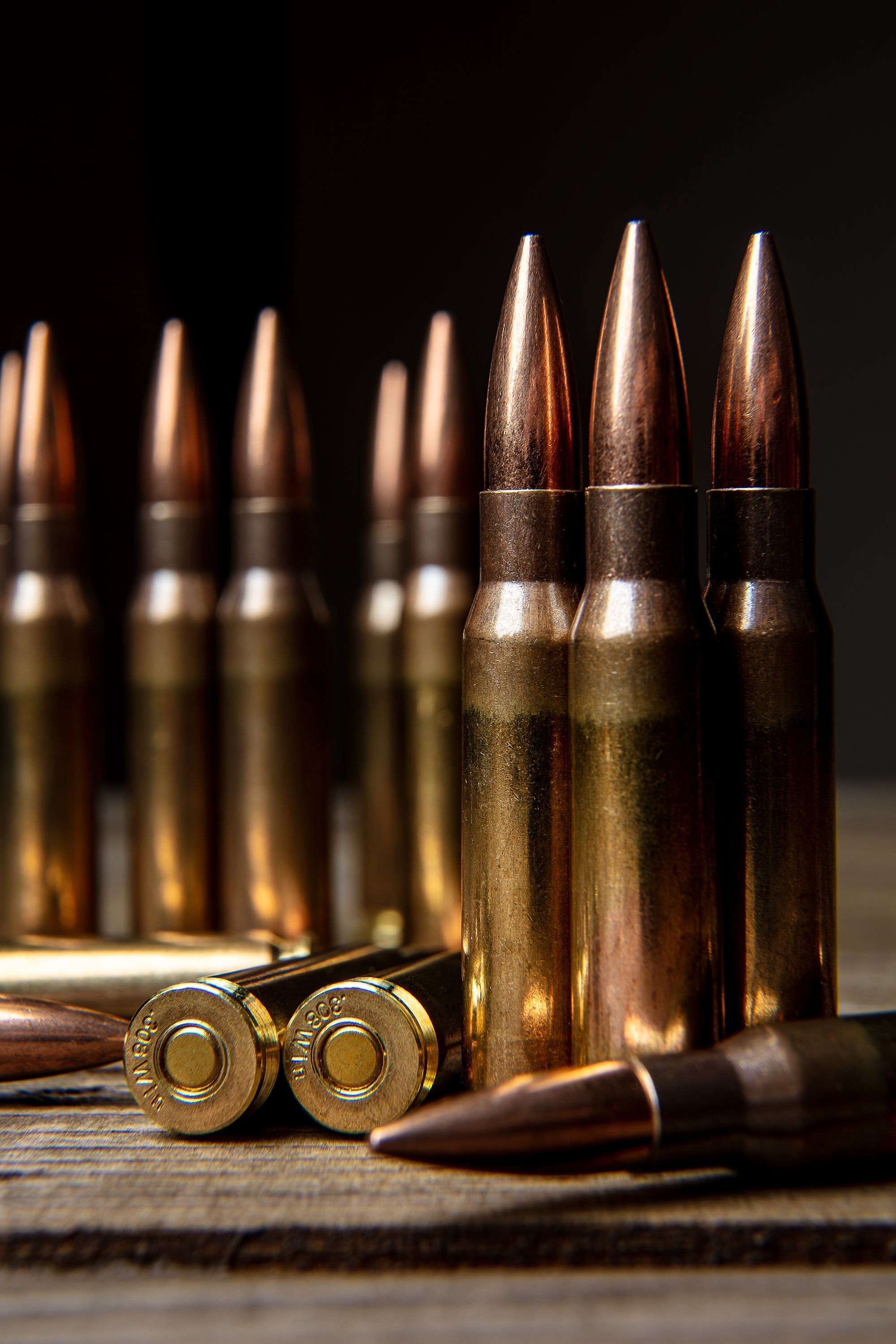
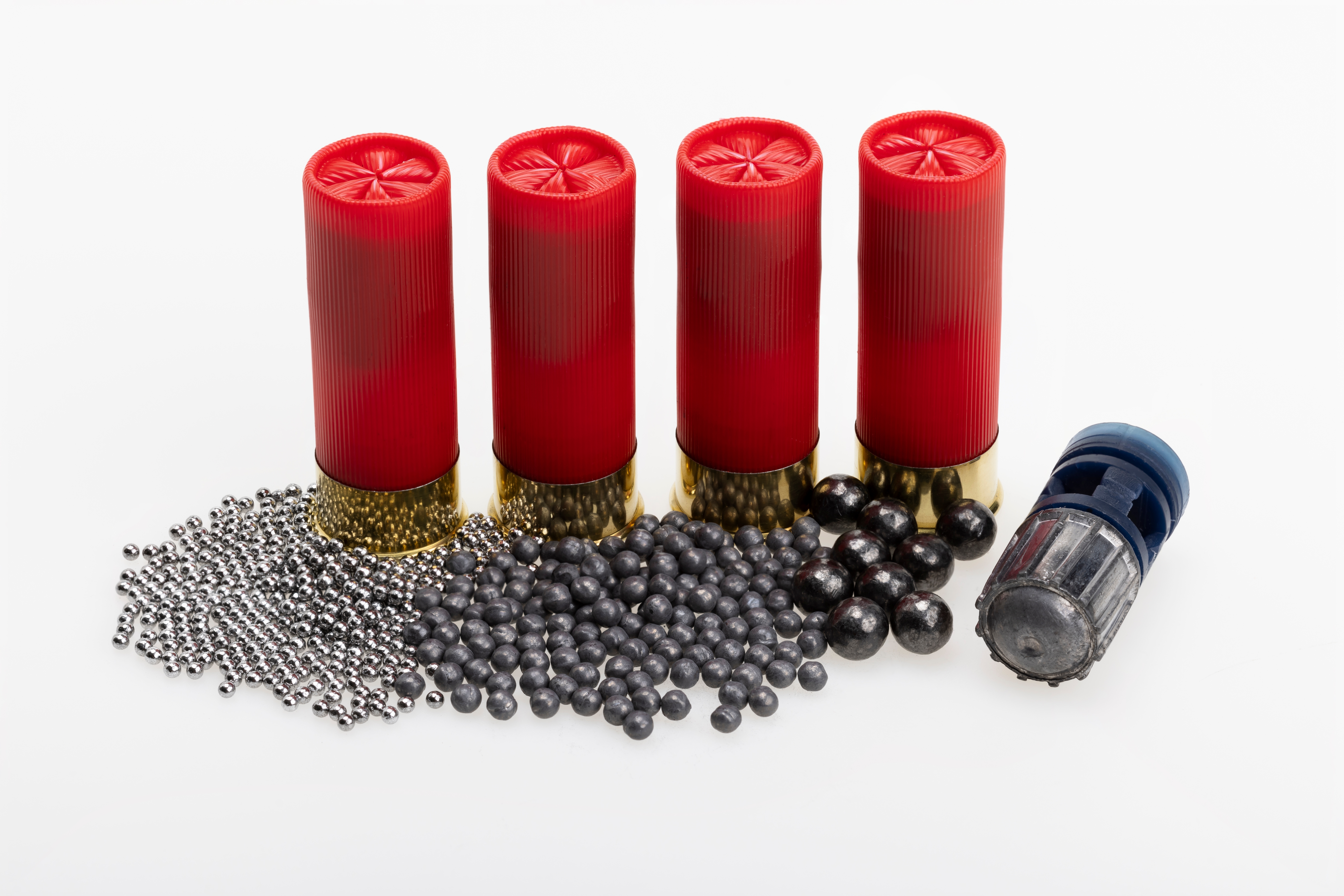
Shotgun ammo, or “shells”, are built completely different than pistol or rifle ammo. While people may think shotgun ammo is very basic, and it is in its construction, there is actually quite a bit of variation in the types of shotgun ammo. Modern shotgun shells that are fully contained pinfire and brass shotshells began being used commercially in the 1840s. Shotgun shells have a hull, or casing, which is the external body that holds all the parts together, and usually it is made of plastic. They have a primer, then gunpower, a wad (a plastic or resin cup placed between the powder and projectiles) and then the projectiles which are either shot or slugs. Shotguns are most commonly used for hunting, but they can also be used for home defense, and clay shooting.
When it comes to hunting, there are tons of options for shotguns, the most common is 12 gauge shotguns which can be used to hunt ducks, geese, upland birds like pheasants, rabbits, even deer! The type of shotgun ammo you use for each may be different, for example you are going to use 12 gauge buck shot or slugs when hunting deer, but for ducks you’re going to want a birdshot shell that is a # 2 shot and could be 3-1/2 inch depending on your shotgun. The most common gauges of shotgun ammo are 12 gauge and 20 gauge, with other less common sizes like 10 gauge, 16 gauge, and .410 bore. Despite a misleading name … 12 gauge shotgun ammo is actually bigger than 20 gauge with 12 gauge having a bore diameter of 0.729 inches, is more powerful, and delivers more recoil than 20 gauge with a 0.615 inch bore diameter, which is why many beginners, children, and hunters of smaller game or birds opt for the easier to control 20 gauge shotgun shells.
| Gauge / Bore | Common Shot Size | Typical Payload | Typical Velocity | Popular Brands | Best For | Typical Price |
|---|---|---|---|---|---|---|
| 12 Gauge | #8 or #9 | 1–1⅛ oz | Approx. 1,150–1,200 fps | Federal, Winchester, Remington, Fiocchi | All-around skeet shooting and high-volume practice | $–$$ |
| 20 Gauge | #8 or #9 | ⅞ oz | Approx. 1,200 fps | Federal, Winchester, Remington, Fiocchi | Skeet shooters looking for a lighter payload and reduced recoil | $–$$ |
| 28 Gauge | #8 or #9 | Approx. ¾ oz | Approx. 1,200 fps | Federal, Winchester, Fiocchi, Remington | Competitive skeet and shooters who prefer a light, fast-handling shotgun | $$–$$$ |
| .410 Bore | #8 or #9 | Typically ½ oz or less | Varies by load | Federal, Winchester, Remington, Fiocchi | Experienced skeet shooters and .410-specific competition | $$–$$$ |
- #8 Shot: A very common choice for skeet, offering a balance of pellet count and individual pellet energy.
- #9 Shot: Particularly popular for skeet because the smaller pellets provide a greater number of pellets in the pattern at typical skeet distances.
- 12 Gauge: The most common all-around choice, with a huge selection of affordable target loads.
- 20 Gauge: A popular alternative offering a lighter payload and generally less recoil than comparable 12-gauge loads.
- 28 Gauge: Popular in competitive skeet and among shooters who enjoy a lighter, quick-handling shotgun.
- .410 Bore: Uses a much smaller shot charge and provides a greater challenge, making it popular in .410-specific skeet competition.
- Correct gauge and shell length: Always verify that the ammunition matches the specifications marked on your shotgun.
- Shot size: #8 and #9 are common choices for skeet, with the best option depending on the shooter's needs, firearm, and competition requirements.
- Payload: Lighter payloads can reduce recoil and fatigue during long practice sessions.
- Velocity: Standard target loads around 1,200 fps are widely used for skeet and provide a useful balance of performance and recoil.
- Consistency: Competitive shooters may place greater emphasis on consistent shot quality, patterns, and ammunition components.
Ammo calibers
Despite seeming confusing at first, ammo calibers are actually very simple. People often think the caliber refers to the entire ammunition cartridge when it actually is just the diameter of the projectile, yep that’s it! The caliber of a bullet is the diameter of the projectile in the ammunition. So for example:
- .22 caliber = bullet diameter is roughly 0.22 inches
- .30 caliber = bullet diameter is roughly 0.30 inches
- .45 caliber = bullet diameter is roughly 0.45 inches
- 9mm = bullet diameter is roughly 9 millimeters.
It is important to remember that the bullet diameter does NOT tell you which ammunition belongs in the firearm. This is because a cartridge consists of much more than the just the bullet. I like to think of it like this, the bullet caliber = bullet diameter while the cartridge = the complete piece of ammunition. As explained in the beginning, the cartridge houses the bullet, case, propellant, and primer.
Different Uses For Types of Ammo
We hit it a bit previously as far as what types of ammo are used for, we spoke specifically different firearm formats used for different applications, but I want to go deeper into the types of ammo for each actual application. In that mind, I really want to focus on self defense / home defense, target shooting, and hunting as the main applications of ammunition, because to be fair, while the military obviously needs a ton of ammo, me talking about the military’s ammunition stock isn’t going to help you find what you need.
Self Defense Ammo
In the United States, a home burglary occurs approximately once every 26 – 30 seconds, which totals to almost one million per year. This makes owning a self defense or home defense firearm incredibly important, but that is another article for another day. What we should talk about here is the types of ammo you should be using for your defense situations. You have to consider the environment you are in, if you are in your home you don’t want an ammunition that is going to go through walls, or risk hitting any unintended targets. Hollow points are probably one of the best defensive ammunitions on the market, as they are designed to expand on impact preventing them from over penetrating. If you are opting for a defensive firearm, you can actually get hollow points in pistol, rifle, and shotgun formats, with the hollow points being slugs for shotguns.
Ammo For Target Shooting
When it comes to target shooting, this is the cool part, as long as your range or facility allows it you can use any type of ammo you want! This is what people love about range days, especially at an outdoor range or rifle range where you can get away from your .22 LR for a minute and fire off some big rounds of 50 BMG if you’re lucky. A lot of public ranges are “pistol ranges” that allow you to shoot things like .22 LR, 9mm, .45 ACP, .10mm, and even 5.56 and .223 ammo because technically you can get pistols that fire that ammo. If you are at a rifle range or outdoor shooting at steel shooting targets you may opt for sighting in your .308 Winchester rifle or take some long distance shots with your 6.5 Creedmoor. There are also places you can shoot shotguns in the range, but let’s be honest if you’re shooting a shotgun you want that target moving, and to do that you can shoot clay targets either in a skeet or trap format which are both incredibly fun, and great practice before hunting season.
Hunting
Hunting is the backbone of America’s outdoorsman from big game like elk to beautiful Mallard Drakes flying through the air our country was built on hunting, and now we work to preserve our great outdoors, while still enjoying the sport and bounty of hunting. When hunting with a firearm what type of ammo you need is based on what you are hunting for and what kind of firearm you are hunting with. Believe it or not, people can hunt with rifles, shotguns, and pistols! While hunting with pistols or revolvers isn’t as common, and you need to check your local laws before hunting, people still do it usually with 10mm ammo, .44 Magnum, or .357 Magnum ammunition.
Hunting rifles are usually used for larger game like deer, moose, elk, but smaller calibers like .22 LR can be used for small game such as squirrels or rabbits. When it comes to the big game though, after checking your local laws and regulations you will want to opt for something like a 6.5 Creedmoor rifle ammo which has light recoil and is highly accurate over distances making it great for deer and more exotic game like antelope and sheep. .308 Winchester is a great choice since it is a versatile round, widely available, and has incredible terminal performance on most medium and large game. .30-06 Springfield ammo is also an excellent choice. It’s a legendary ammunition in the United States for containing enough energy to take down trophy elk and moose.
Shotguns are mostly used for hunting, making them really fun to talk about. I personally use a few 12 gauge shotguns for hunting duck, goose, pheasant, and rabbits. 12 gauge ammo is going to be heavier, have more power, and offer some advantages to reaching out further distances to pluck birds out of the sky, but it also comes with way more recoil, and can be harder to control than other options. My hunting partner used his 20 gauge shotgun when we are pheasant and rabbit hunting and gets just as good, if not better results than me so a lot of it has to do with the hunter, what you are targeting, and how familiar / comfortable you are with your shotgun.
Ammo Pricing
Like anything in life, the saying “You get what you pay for” typically runs true, especially when it comes to firearms and ammo. Now, this is not to say that affordable ammo is bad, in fact there are plenty of great options at competitive and affordable price points, however if something is dirt cheap compared to everything else, you may want to do some extra research and personal judgement on if you make that purchase. When purchasing ammo you want your rounds to fire smoothly, consistently, have the same amount of force or energy each shot, reliability, and strict quality control overall from the company. A lot of these factors come down to brand reputation which we will talk about shortly. If you opt for the lowest price option or poorly made ammunition, you run the risk of misfires, poor construction, inaccurate shots, damaged or improperly sealed primers, bullet setback, bulged or split casings, corrosion, contamination, and all sorts of other problems that can make shooting the ammunition dangerous to shoot. Always make sure to give your ammunition a quick inspection before loading and firing. If you want to get rough pricing estimates and comparisons on what you need see the ammo comparison charts below.
Popular Brands Of Ammo
In the United States there are roughly over 600 different ammunition manufacturers today. Texas is leading the race with 82 manufacturers while Arizona has 41, and Florida has 39. There are a few however that have lasted the test of time and proven themselves to be the leaders in reliability, accuracy, affordability, and people have trusted for years.
Federal
Federal Ammo originated in 1922 giving them over 100 years of ammunition manufacturing experience which is why they are a leader in consistency, innovation, and variety of ammo products. At Sportsman Fulfillment we, and I personally run Federal Ammo on my range training days for my semi auto pistol line up. I love how consistent Federal fires. I have personally shot thousands of rounds of Federal ammo and will continue to do so because of their proven performance and high standards of excellence.
Remington
The history of Remington as an ammunition manufacturer is unmatched, as their roots reach all the way back to 1816, but their ammunition manufacturing being in 1871. Remington goes hand in hand with the hunting community, with iconic green boxes, Remington ammo is beloved by deer hunters and other larger game hunters because of their accuracy, reliability, and consistency knowing the their shots will go exactly where they need to.
Winchester
I love Winchester. Odds are, if you shoot firearms it’s likely that you have used Winchester Ammunition. Winchester is another iconic brand with bright red branding with iconic sublines like Super X, AA, and Power Point. I love the reliability and consistency of Winchester. I personally use AA shotgun shells all the time when skeet shooting and hunting alike, overall if you choose Winchester you are shooting high-quality ammo.
Ammo Comparisons
With so many ammunition options on the market it can get very confusing on what you are looking for, what you need, and what you should buy. Below are several ammo comparison charts to distinguish different types of ammunition based on use, price, purpose, ballistics, etc.
Choosing Ammo For Home Defense
| Ammo Type | Common Caliber / Gauge | Typical Weight | Common Brands | General Considerations | Estimated Price |
|---|---|---|---|---|---|
| Handgun | 9mm Luger | Commonly 115–147 gr | Federal, Winchester, Remington, Hornady | Very common cartridge with a wide selection of commercially available loads. Always use ammunition appropriate for the firearm. | $$ |
| Handgun | .380 ACP | Commonly 90–100 gr | Federal, Winchester, Remington, Hornady | Common in compact firearms. Availability and firearm compatibility are important considerations. | $$ |
| Handgun | .45 ACP | Commonly 185–230 gr | Federal, Winchester, Remington, Hornady | Long-established handgun cartridge with many commercially available options. Recoil and firearm compatibility should be considered. | $$–$$$ |
| Shotgun | 12 Gauge | Varies by shell/load | Federal, Winchester, Remington | Extremely common shotgun gauge. Different loads behave very differently, so firearm and ammunition compatibility should be verified carefully. | $$–$$$ |
| Shotgun | 20 Gauge | Varies by shell/load | Federal, Winchester, Remington | Another widely available shotgun gauge. Often considered when firearm fit, handling, and recoil are important factors. | $$–$$$ |
Best Ammo For Target Shooting
| Target Shooting Type | Caliber / Gauge | Typical Grain / Shot Weight | Popular Brands | Why It's Popular | Estimated Price |
|---|---|---|---|---|---|
| Rimfire Plinking | .22 LR | 36–40 gr | Federal, CCI, Winchester, Remington | Low-cost, widely available, and produces relatively light recoil. One of the most popular choices for recreational target shooting. | $ |
| Handgun Range Shooting | 9mm Luger | 115–124 gr | Federal, Winchester, Remington, Blazer | Extremely common range cartridge with a broad selection of affordable full-metal-jacket ammunition. | $$ |
| Handgun Range Shooting | .45 ACP | 185–230 gr | Federal, Winchester, Remington, Blazer | Popular with shooters who enjoy larger-caliber pistols and want widely available ammunition for range practice. | $$–$$$ |
| Centerfire Rifle Target Shooting | .223 Remington / 5.56 NATO* | 55–77 gr | Federal, Winchester, Remington, Hornady | Commonly used for recreational and competitive rifle shooting, with many affordable practice loads available. | $$–$$$ |
| Precision Rifle Shooting | .308 Winchester | 150–175 gr | Federal, Hornady, Winchester, Remington | Established centerfire rifle cartridge with extensive ammunition selection and loads designed for consistent accuracy. | $$$ |
| Shotgun Sporting | 12 Gauge | 1–1⅛ oz | Federal, Winchester, Remington | The most widely used shotgun gauge for sporting disciplines such as trap, skeet, and sporting clays. | $$ |
| Shotgun Sporting | 20 Gauge | 7/8–1 oz | Federal, Winchester, Remington | Popular for recreational shooting and clay sports, particularly among shooters looking for a lighter shotgun setup. | $$ |
- Check your firearm: Always purchase ammunition in the exact caliber or gauge specified by the firearm manufacturer.
- Consider cost per round: Target shooting can use substantial amounts of ammunition, making price per round an important consideration.
- Choose the right load: Grain weight, bullet design, shot size, and velocity can all affect shooting characteristics.
- Look for consistency: Shooters interested in precision often prioritize ammunition with consistent manufacturing and performance.
- Check range rules: Some shooting ranges restrict ammunition types, including certain projectile materials or designs.
Best Waterfowl Hunting Ammo
| Gauge | Shot Material | Common Shot Size | Typical Payload | Best For | Popular Brands | Typical Price |
|---|---|---|---|---|---|---|
| 12 Gauge | Steel | #2–#4 | 1⅛–1¼ oz | General duck hunting & high-volume waterfowl hunting | Federal, Winchester, Remington, Fiocchi | $–$$ |
| 12 Gauge | Steel | #1–BB | 1¼–1½ oz | Large ducks & goose hunting | Federal, Winchester, Remington, Fiocchi | $$–$$$ |
| 20 Gauge | Steel | #2–#4 | ¾–1 oz | Duck hunting with a lighter shotgun setup | Federal, Winchester, Remington, Fiocchi | $$ |
| 12 Gauge | Bismuth | #3–#5 | Varies by load | Hunters seeking an alternative to steel with greater pellet density | Federal, Winchester, HEVI-Shot | $$$ |
| 20 Gauge | Bismuth | #3–#5 | Varies by load | Sub-gauge waterfowl hunting & hunters seeking additional pellet density | Federal, Winchester, HEVI-Shot | $$$ |
| 12 Gauge | Tungsten / TSS Blend | BB + smaller TSS shot | Approx. 1¼ oz | Premium waterfowl loads and hunters seeking high pellet density | Federal, HEVI-Shot | $$$$ |
| 20 Gauge | Tungsten / TSS Blend | #3 Steel + #9 TSS | Approx. 1 oz | Premium sub-gauge waterfowl hunting | Federal, HEVI-Shot | $$$$ |
- Steel: The most common waterfowl shot material and generally the most economical choice for high-volume hunting.
- Bismuth: A denser alternative to steel that can allow smaller shot sizes while retaining more downrange energy. Federal describes its HEVI-Bismuth as 9.6 g/cc and 22% denser than steel.
- Tungsten / TSS: Extremely dense shot that allows smaller pellets and high pellet counts, but premium tungsten loads can cost substantially more.
- #2–#4 Steel: Common choices for ducks, with the appropriate shot size depending on the species, conditions, range, and load.
- BB and larger steel: Commonly selected for larger waterfowl such as geese.
- Pattern your shotgun: Different loads can produce dramatically different patterns. Pattern testing with your actual shotgun and choke is an important part of selecting ammunition.
Best Deer Hunting Ammo
Choosing the best deer hunting ammunition depends on your rifle, hunting environment, expected shooting distance, and personal preference. The cartridges below are among the most popular choices for whitetail and other deer hunting applications, with each offering a different balance of recoil, range, bullet weight, and versatility.
| Caliber / Cartridge | Common Bullet Weight | Best Known For | Popular Bullet Types | Popular Brands | Typical Price | Why Hunters Choose It |
|---|---|---|---|---|---|---|
| .243 Winchester | 90–115 gr | Light-recoil deer hunting | Soft Point, Bonded, Copper | Federal, Hornady, Winchester, Remington | $$–$$$ | Mild recoil, flat trajectory and excellent versatility for deer hunters who prefer a lighter cartridge. |
| 6.5 Creedmoor | 120–147 gr | Versatility & precision | Soft Point, Bonded, Polymer Tip | Federal, Hornady, Winchester, Remington | $$–$$$ | Popular for manageable recoil, accuracy and a wide selection of hunting loads. |
| 7mm-08 Remington | 120–150 gr | Balanced deer cartridge | Soft Point, Bonded, Polymer Tip | Federal, Remington, Hornady, Winchester | $$–$$$ | A well-balanced option offering a useful combination of bullet weight, performance and manageable recoil. |
| .270 Winchester | 130–150 gr | Classic all-around deer hunting | Soft Point, Bonded, Copper, Polymer Tip | Federal, Winchester, Hornady, Remington | $$–$$$ | A long-standing favorite with a broad selection of hunting ammunition and relatively moderate recoil. |
| .30-30 Winchester | 150–170 gr | Whitetail & lever-action rifles | Soft Point, Polymer Tip, Bonded | Winchester, Federal, Remington, Hornady | $$–$$$ | One of America's classic deer cartridges, especially popular in traditional lever-action rifles. |
| .308 Winchester | 150–180 gr | Versatile deer & big-game hunting | Soft Point, Bonded, Polymer Tip, Copper | Federal, Hornady, Winchester, Remington | $$–$$$ | Widely available, highly versatile and supported by an enormous selection of hunting ammunition. |
| .30-06 Springfield | 150–180 gr | Classic all-around big-game cartridge | Soft Point, Bonded, Polymer Tip, Copper | Federal, Winchester, Remington, Hornady | $$–$$$ | An extremely established hunting cartridge with a huge variety of bullet weights and load options. |
| 7mm Remington Magnum | 139–175 gr | Open-country deer & versatile big game | Bonded, Polymer Tip, Copper | Federal, Hornady, Remington, Winchester | $$$–$$$$ | Known for a broad selection of aerodynamic hunting bullets and strong versatility for deer and larger game. |
| .350 Legend | 145–180 gr | Straight-wall deer hunting | Soft Point, Polymer Tip, Bonded | Winchester, Federal, Hornady, Remington | $$–$$$ | A popular straight-wall option where regulations restrict traditional bottleneck rifle cartridges. |
| .400 Legend | 190–215 gr | Modern straight-wall deer hunting | Bonded, Polymer Tip, Copper | Winchester, Federal, Hornady | $$$–$$$$ | Designed as a modern straight-wall hunting cartridge with heavier bullets and broad deer-hunting applications. |
Quick Guide to Choosing Deer Hunting Ammo
For low recoil: .243 Winchester and 6.5 Creedmoor are popular choices for hunters who want a manageable shooting experience.
For an all-around deer cartridge: .270 Winchester, 7mm-08 Remington and .308 Winchester offer excellent versatility.
For traditional whitetail hunting: .30-30 Winchester remains a classic choice, particularly in lever-action rifles.
For a proven big-game cartridge: .30-06 Springfield provides an exceptionally broad selection of hunting ammunition.
For straight-wall hunting: .350 Legend and .400 Legend are modern options for areas where straight-wall cartridges are required or preferred.
For premium hunting ammunition: Look for well-constructed hunting bullets such as bonded, copper, or other controlled-expansion designs that are appropriate for your cartridge and hunting application.
What to Look For When Buying Deer Ammo
- Match the cartridge exactly: Always use ammunition that matches the caliber and cartridge designation marked on your firearm and specified by the manufacturer.
- Choose a hunting bullet: Deer ammunition is generally designed around bullets intended to expand appropriately on game rather than inexpensive full-metal-jacket target ammunition.
- Consider bullet weight: Different bullet weights can change the way a cartridge performs. Choose a load appropriate for your firearm and intended hunting application.
- Consider your hunting environment: Dense woods, open fields and mountainous terrain can create very different hunting conditions, so choose ammunition that fits your rifle and hunting style.
- Test before hunting: Every rifle can perform differently with different ammunition. Confirm that your chosen load functions and shoots accurately in your firearm before hunting season.
- Check local regulations: Some hunting areas have specific cartridge, ammunition or projectile requirements. Always verify the current regulations for the area where you hunt.
Price Guide: $ = budget-friendly $$ = moderate $$$ = premium $$$$ = higher-priced premium ammunition. Actual prices vary by brand, bullet type, package size, market conditions and availability.
Top 10 Most Popular Ammo in the U.S.
From everyday range ammunition to hunting cartridges and shotgun shells, certain calibers consistently account for a large share of ammunition demand in the United States. This list highlights 10 of the most popular ammunition calibers and gauges based on current market and sales indicators, along with what each is commonly used for and why shooters continue to choose it.
| Rank | Caliber / Gauge | Ammo Type | Common Uses | Common Bullet / Shot Weights | Popular Brands | Why It's Popular |
|---|---|---|---|---|---|---|
| 1 | 9mm Luger | Centerfire Pistol | Range shooting, training, general-purpose pistol use | 115–147 gr | Federal, Winchester, Remington, CCI, Blazer, Magtech | Extremely widespread, affordable and available in a huge variety of loads and firearms. |
| 2 | 5.56 NATO / .223 Remington | Centerfire Rifle | Range shooting, training, sporting rifles, varmint hunting | 55–77 gr | Federal, Winchester, Remington, Hornady, PMC | One of the most widely available rifle ammunition families, with extensive firearm and load selection. |
| 3 | 12 Gauge | Shotshell | Target shooting, upland hunting, waterfowl, turkey and other shotgun applications | Commonly 7/8–1¼ oz for many loads | Federal, Winchester, Remington, Fiocchi, Browning | The most versatile shotgun gauge, with an enormous selection of target and hunting ammunition. |
| 4 | .22 LR | Rimfire | Plinking, target shooting, training and small-game applications | 36–40 gr | CCI, Federal, Winchester, Remington, Aguila | Low cost, mild recoil and enormous firearm and ammunition availability make it a perennial favorite. |
| 5 | .308 Winchester | Centerfire Rifle | Hunting, target shooting and general-purpose rifle applications | 150–180 gr | Federal, Winchester, Hornady, Remington, Nosler | Extremely versatile with broad ammunition availability and a huge selection of hunting and target loads. |
| 6 | .223 Remington | Centerfire Rifle | Target shooting, training and varmint hunting | 55–77 gr | Federal, Winchester, Remington, Hornady, PMC | Widely available and offered in everything from economical range ammunition to premium hunting loads. |
| 7 | .300 Blackout | Centerfire Rifle | Sporting rifles, range shooting and specialized rifle applications | Commonly 110–220 gr | Federal, Winchester, Hornady, Remington, SIG Sauer | A modern and increasingly popular cartridge with a broad selection of ammunition and rifle platforms. |
| 8 | 7.62x39mm | Centerfire Rifle | Range shooting, sporting rifles and recreational shooting | Typically 122–125 gr | TulAmmo, Wolf, Red Army Standard, Barnaul and others | Long-established popularity and widespread use in compatible sporting rifles keep demand strong. |
| 9 | .45 ACP | Centerfire Pistol | Range shooting, training and general-purpose pistol use | 185–230 gr | Federal, Winchester, Remington, Hornady, Blazer | A historic and highly established pistol cartridge with a large installed base of firearms and ammunition options. |
| 10 | .380 ACP | Centerfire Pistol | Compact pistols, range shooting and training | 85–100 gr | Federal, Winchester, Remington, Hornady, Blazer | Its compact size and extensive availability make it a longstanding choice for smaller pistols. |
The Most Popular Ammo in America at a Glance
Most popular handgun cartridge: 9mm Luger continues to lead the U.S. ammunition market by a substantial margin.
Most popular rifle ammunition family: 5.56 NATO and .223 Remington consistently rank among the highest-volume rifle ammunition categories.
Most popular shotgun gauge: 12 Gauge remains the dominant shotshell gauge, with ammunition available for target shooting and a wide range of hunting applications.
Most popular rimfire: .22 LR remains one of the most widely purchased ammunition types because of its affordability, mild recoil and broad range of applications.
Why These Calibers Sell So Well
- Wide firearm availability: Popular ammunition benefits from a large number of compatible firearms already in use.
- Multiple applications: Many of these cartridges can be used for more than one type of shooting or hunting activity.
- Broad ammunition selection: Popular calibers are typically offered by numerous manufacturers in many different load configurations.
- Availability: High-demand ammunition is commonly stocked by sporting-goods stores, online ammunition retailers and local gun shops.
- Price competition: High-volume cartridges often have more competition among manufacturers, creating a wide range of price points.
- Established popularity: Some cartridges have been popular for decades, creating a large and stable market for both firearms and ammunition.
About This Ranking: There is no single publicly available national retail database that ranks every ammunition sale in the United States. This list uses current ammunition-market indicators, including caliber demand and shipment data, to identify major high-volume ammunition categories. Rankings can vary by retailer, region, season and time period.


